Floating Frames for Prints: Sleek Wall Art

- 1.
What Exactly Are Floating Frames for Prints?
- 2.
How Do Floating Frames for Prints Actually Work?
- 3.
Why Are Floating Frames for Prints So Freakin’ Expensive?
- 4.
What Types of Prints Work Best in Floating Frames?
- 5.
Can You Put a Print in a Floating Frame? (Spoiler: Yes, But…)
- 6.
DIY: Mounting Your Own Print for a Floater Frame
- 7.
Where to Hang Floating Frames for Prints (and Where Not To)
- 8.
Maintenance and Care for Floating Frames for Prints
- 9.
Styling Tips: Making Floating Frames for Prints Pop in Your Space
- 10.
Where to Buy Quality Floating Frames for Prints (and What to Watch Out For)
Table of Contents
Floating Frames for Prints
What Exactly Are Floating Frames for Prints?
Ever walked into a swanky gallery, spotted a print that looked like it was hovering mid-air, and thought, “Wait… how’s that even stickin’?” Well, my friend, you’ve just laid eyes on floating frames for prints. These aren’t your grandma’s dusty old picture frames—nope. Floating frames, also known as floater frames, are designed so the artwork appears to float within the frame, suspended with a tiny gap between the edge of the print and the inner lip of the frame. Floating frames for prints give that modern, clean, “I’ve got my life together” aesthetic without actually requiring you to have your life together. They’re sleek, minimal, and—let’s be real—make your IKEA wall art look like it belongs in MoMA.
How Do Floating Frames for Prints Actually Work?
Here’s where the magic happens: floating frames for prints don’t use glass (unless you opt for a hybrid version), and the artwork isn’t pressed flat against a backing board. Instead, the print is mounted from behind using hidden clips, pins, or sometimes even a custom-built insert tray. This setup keeps the print secured while leaving that coveted breathing room around the edges. The result? A three-dimensional illusion that’s got depth, drama, and a whisper of “I’m an art collector now.” Whether you’re hanging a limited-edition giclée or your cat’s abstract paw-print masterpiece, floating frames for prints elevate the whole vibe.
Why Are Floating Frames for Prints So Freakin’ Expensive?
Alright, let’s talk turkey—or rather, let’s talk price tags that make your wallet whimper. You might’ve scrolled online, seen a simple 12x16” floater frame, and gone, “$89?! For wood?!” But here’s the tea: floating frames for prints aren’t just slapped together at some factory with leftover IKEA parts. They require precision craftsmanship. The rebate (that inner groove where your print sits) has to be exact—too tight and you crimp the paper, too loose and your print does a nosedive. Plus, most quality floater frames use kiln-dried hardwoods like maple or walnut, hand-finished with eco-friendly stains or paints. Floating frames for prints are, quite literally, functional art—so yeah, they cost a pretty penny. But hey, your wall’s worth it, right?
What Types of Prints Work Best in Floating Frames?
Not all prints are created equal—at least when it comes to floating frames forprints (yep, typo’s on purpose just to keep things human). Thick gallery-wrapped canvases? Perfect. Fine art paper prints mounted on foam core or cradled wood panels? Absolutely yes. Delicate tissue prints fresh off your home printer? Maybe… don’t. Floating frames for prints thrive when the artwork has some structural integrity. The ideal candidates are archival pigment prints on cotton rag paper, mounted prints, or anything with a clean, finished edge that you *want* people to see. After all, the whole point of floating frames for prints is to showcase the full perimeter of your artwork—not hide it behind matting or glass.
Can You Put a Print in a Floating Frame? (Spoiler: Yes, But…)
Short answer: yep, you totally can. Long answer: it depends on your print’s thickness, backing, and whether you’re willing to get a little crafty. Floating frames for prints typically accommodate artworks between 1/8” to 1.5” thick. If your print’s on paper and floppy like a wet noodle, you’ll need to mount it first—either on foam board, MDF, or a cradle panel. But if it’s already semi-rigid? Slide it in, secure it with offset clips, and boom—you’ve got yourself a gallery-ready piece. Don’t sweat it if you’re new to this; lots of frame shops offer mounting services alongside floating frames for prints.

DIY: Mounting Your Own Print for a Floater Frame
Feelin’ handy? Great! Because mounting your print for a floating frame for prints isn’t rocket science—just patience science. You’ll need: a rigid backing (like Gatorboard or cradled wood panel), pH-neutral adhesive (we’re talkin’ Lineco or Jade 403, not that glue stick from third grade), a bone folder, and a clean workspace. Lay your print face-down, center the backing, and gently adhere using even pressure. Let it dry flat under a stack of books (yes, actual books—bonus points if they’re art monographs). Once dry, your print’s ready to slip into those floating frames for prints like it was born for the spotlight.
Where to Hang Floating Frames for Prints (and Where Not To)
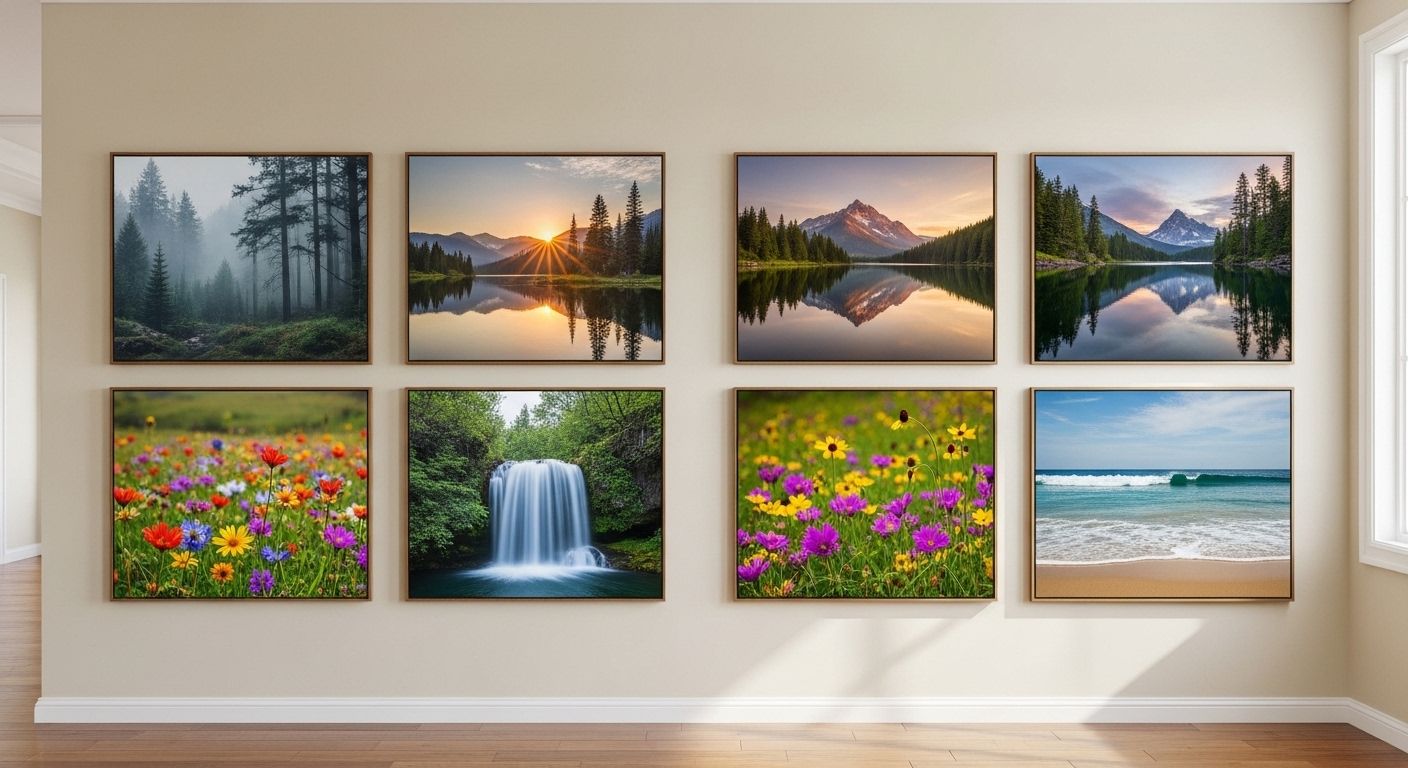
Okay, so you’ve got your snazzy floating frames for prints—now where do they live? Avoid high-humidity zones like bathrooms or laundry rooms; paper expands, warps, and throws a tantrum in moisture. Direct sunlight? Also a no-go unless your print’s UV-coated. Ideal spots: above the sofa, flanking a console table, or in that awkward hallway that’s been giving you existential dread. Pro tip: hang floating frames for prints at eye level—roughly 57 to 60 inches from the floor to the center of the frame. And if you’re going for a salon-style gallery wall? Mix in some floater frames for texture contrast. Your guests will think you’ve been collecting art since college (even if your “collection” started last Tuesday).
Maintenance and Care for Floating Frames for Prints
These beauties might look high-maintenance, but floating frames for prints are actually pretty chill once hung. Dust ’em weekly with a soft microfiber cloth—no sprays, no Windex, just gentle wipes. If your print gets smudged (looking at you, curious toddler or overenthusiastic dog), *do not* rub it. Instead, consult a paper conservator. Seriously. Floating frames for prints often expose more surface area than traditional frames, so they’re slightly more vulnerable—but that’s the price of beauty, baby. Keep ’em clean, keep ’em dry, and they’ll stay looking fresh for years.
Styling Tips: Making Floating Frames for Prints Pop in Your Space
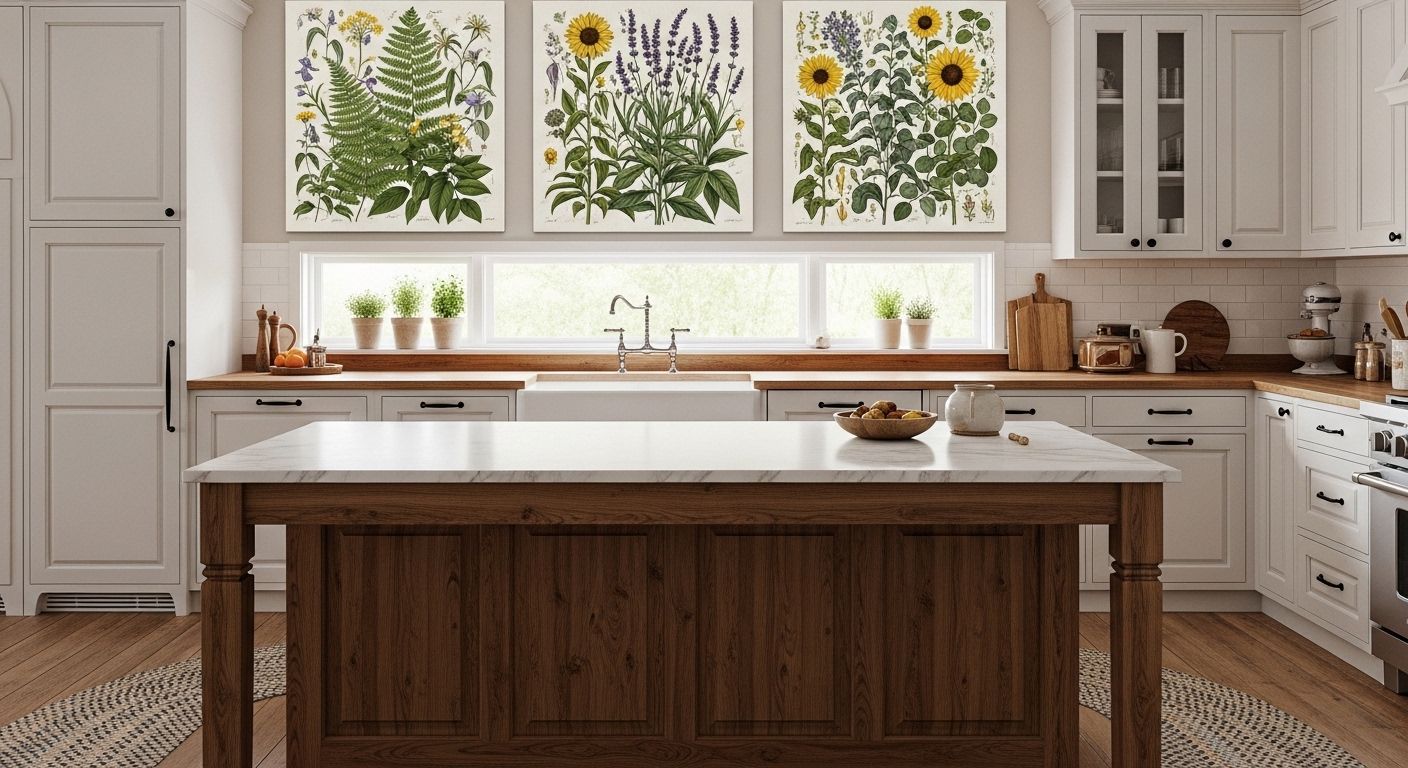
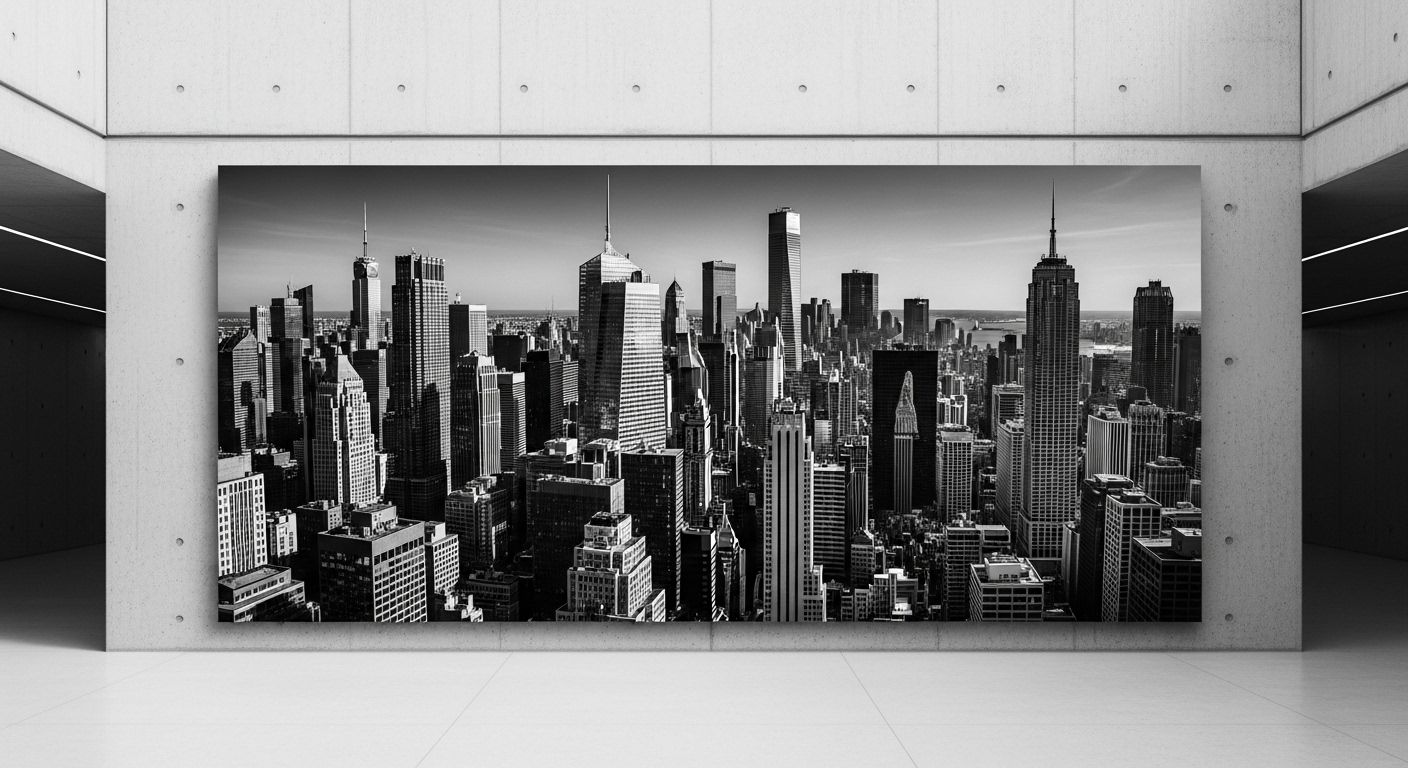
Think of floating frames for prints as the little black dress of wall decor—versatile, timeless, and always in style. Pair a black floater frame with a monochrome print for that downtown loft feel. Go natural wood with botanical prints for earthy, West Coast vibes. And don’t be afraid to mix frame finishes in one room—just keep the artwork tonally cohesive. Oh, and lighting? Crucial. A well-placed picture light or track spot can make your floating frames for prints glow like they’ve got their own Instagram filter. Remember: it’s not just what you hang—it’s how you hang it. (And yes, we *did* just quote a 2003 home decor ad. We’re nostalgic like that.)
Where to Buy Quality Floating Frames for Prints (and What to Watch Out For)
Shopping for floating frames for prints online can feel like dating—lots of pretty profiles, but who’s actually got substance? Avoid big-box retailers selling “floater-style” frames that are really just shadowboxes with a name upgrade. Instead, seek out brands that specify *true* floater construction: recessed rabbets, archival-safe materials, and adjustable depth. Custom framers are gold—but pricey. Mid-range? Check Etsy artisans or specialty sites that offer both standard and custom sizes. And hey, while you’re browsing wall art wonders, why not swing by Maija Louekari, peek at the Wall Art category, or get inspired by three-panel canvas prints artistic triptychs? No pressure—just good vibes.
Frequently Asked Questions
Can you put a print in a floating frame?
Yes, you absolutely can put a print in a floating frame—but it usually needs to be mounted on a rigid backing first. Floating frames for prints are designed to showcase the edges of the artwork, so flimsy paper prints won’t stay secure or look intentional without proper support. Once mounted, your print will sit beautifully within the frame, appearing to float with that signature gallery-style depth.
What is a floating frame for prints?
A floating frame for prints—also called a floater frame—is a type of picture frame designed so the artwork appears to hover inside the frame with a small visible gap between the print’s edge and the inner lip of the frame. Unlike traditional frames that press art flat against glass or backing, floating frames for prints preserve the dimensional quality of the piece, making them ideal for contemporary, gallery-wrapped, or edge-finished artworks.
How does a picture stay in a floating frame?
The picture stays in a floating frame through hidden mounting hardware—typically offset clips, Z-clips, or a custom insert tray secured from the back. These mechanisms hold the print firmly in place while maintaining the illusion of suspension. For paper prints, mounting onto a rigid panel is usually required before installation into the floating frames for prints, ensuring stability and visual consistency.
Why are floater frames so expensive?
Floater frames cost more because they demand precision craftsmanship, high-quality materials (like solid hardwoods), and specialized construction to create that floating effect without damaging the artwork. The rabbet depth must be exact, finishes are often hand-applied, and mass production is limited. All this adds up—but for floating frames for prints, you’re paying for both function and aesthetic elegance that lasts.
References
- https://www.moma.org
- https://www.smithsonianmag.com/art/art-frames-history
- https://www.conservation-us.org
- https://www.artistsnetwork.com/framing-techniques