Extra Large Blank Canvas for Painting: Studio Grade
- 1.
Why Your Next Masterpiece Needs an Extra Large Blank Canvas for Painting
- 2.
The Artist’s Dilemma: To Build or Buy Your Extra Large Blank Canvas?
- 3.
What’s the Largest Canvas Size You Can Actually Get?
- 4.
Walmart, Staples, and Other Surprising Spots for Big Canvases (Spoiler: They’re Not Ideal)
- 5.
Studio vs. Home Use: Picking the Right Weight and Texture
- 6.
How Big Can You Really Go Without Losing Your Mind (or Your Wall)?
- 7.
Priming Problems: Why “Ready-to-Paint” Isn’t Always Ready
- 8.
Storage and Transport Hacks for Oversized Canvases
- 9.
Eco-Conscious Choices: Sustainable Canvases That Don’t Cost the Earth
- 10.
Avoiding Rookie Mistakes That Ruin Your Extra Large Blank Canvas Investment
Table of Contents
extra large blank canvas for painting
Why Your Next Masterpiece Needs an Extra Large Blank Canvas for Painting
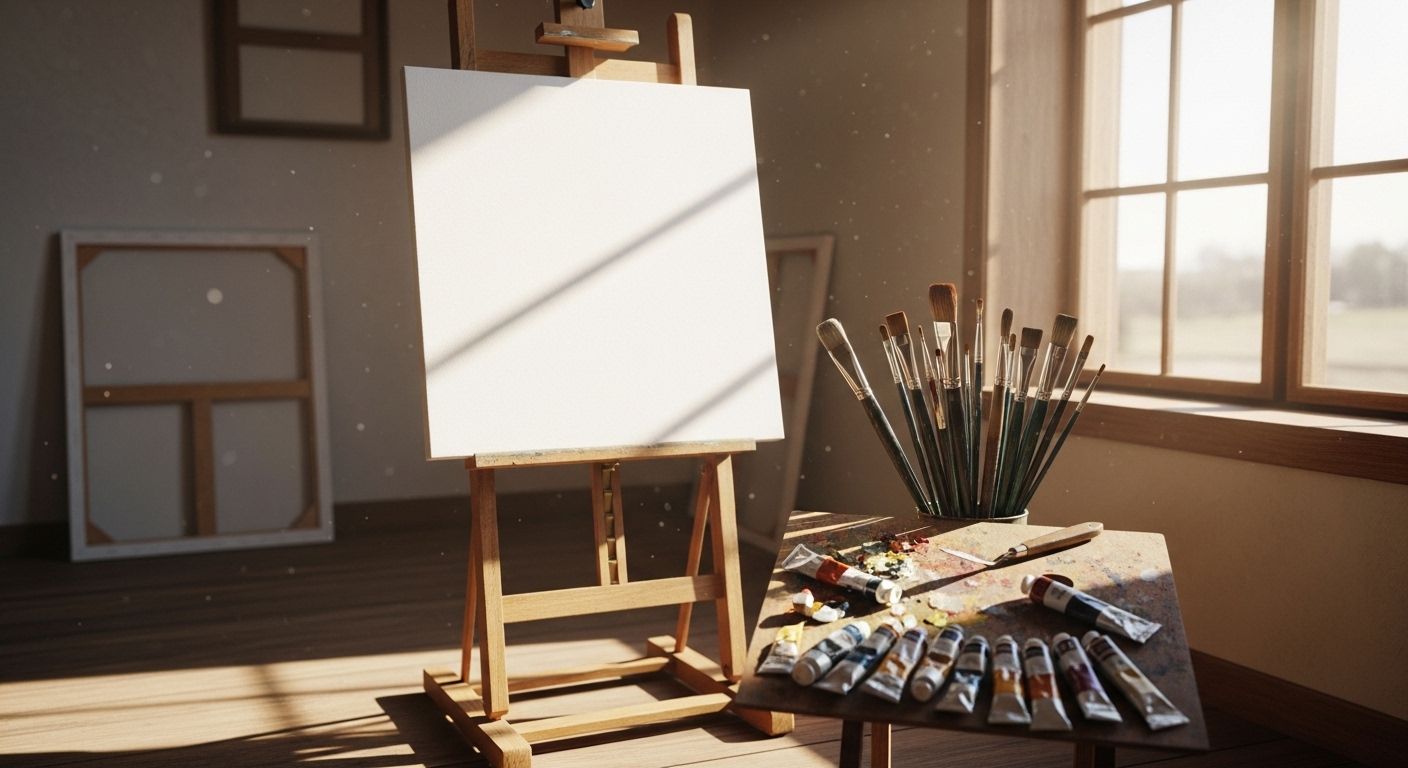
Ever stared at a tiny 8x10 canvas and thought, “This ain’t gonna hold the chaos in my head”? Yeah, us too. Sometimes your vision doesn’t fit between coffee stains and cat hair—it needs room to breathe, stretch, and maybe even scream a little. That’s where an extra large blank canvas for painting comes in: not just a surface, but a battlefield for your boldest ideas. Whether you’re channeling Rothko or just wanna fling acrylics like it’s 1999, going big isn’t vanity—it’s necessity. And let’s be honest: nothing says “I’m serious about this” like a canvas taller than your fridge.
The Artist’s Dilemma: To Build or Buy Your Extra Large Blank Canvas?
Here’s the million-dollar (or more like $45) question: is it cheaper to build a canvas than to buy one? Short answer: only if you’ve got time, tools, and a tolerance for splinters. Stretching your own extra large blank canvas for painting saves maybe 20–30% upfront—raw cotton duck runs ~$1.50/sq ft, and kiln-dried pine stretcher bars cost $2–$4 per foot [[3]]. But factor in gesso, corner keys, tensioning clamps, and the three hours you’ll lose wrestling warped wood… suddenly that pre-stretched $120 48x72 from Blick feels like a spa day. Unless you’re cranking out ten canvases a month, buying ready-made is sanity-preserving—and often studio-grade.
What’s the Largest Canvas Size You Can Actually Get?
Turns out, “extra large” ain’t just marketing fluff. Most art supply giants—Blick, Jerry’s Artarama, Cheap Joe’s—stock extra large blank canvas for painting up to 60x96 inches off the shelf [[1]]. Custom orders? Some mills stretch up to 72x120 inches (that’s 6x10 feet!), though shipping costs more than your paint. Pro tip: beyond 48 inches wide, double-thick stretcher bars (1.5"–2" depth) are non-negotiable—thin frames sag like a Monday morning mood. And if you’re eyeing gallery wraps, confirm the wrap width; some shops can’t mirror images beyond 2" on massive sizes.
Walmart, Staples, and Other Surprising Spots for Big Canvases (Spoiler: They’re Not Ideal)
Can you order large canvas prints from Walmart? Sure—if you want pixelated nightmares wrapped around flimsy cardboard. But for a true extra large blank canvas for painting? Hard pass. Big-box stores sell “canvas panels” or glued boards masquerading as stretched cotton—fine for kids’ crafts, not for archival work. Even their “premium” line uses unprimed polyester blends that repel oil like gossip. Stick to artist-focused retailers: Blick’s house brand, Fredrix, or Masterpiece all offer acid-free, triple-primed cotton with real wood frames. Your future self (and your resale value) will thank you.
Studio vs. Home Use: Picking the Right Weight and Texture
Not all extra large blank canvas for painting are created equal. Studio-grade means heavyweight cotton (10–12 oz) with tight weave—perfect for impasto or solvent-heavy oils. For home hobbyists, medium-weight (7–8 oz) linen-cotton blends offer buttery smoothness without breaking the bank. And texture? Fine grain for photorealism, coarse for expressive brushwork. Oh, and typo alert: don’t confuse “universal primed” (works for acrylic/oil) with “acrylic-only”—learned that after a $200 oil painting peeled off like sunburnt skin. Yikes.
How Big Can You Really Go Without Losing Your Mind (or Your Wall)?
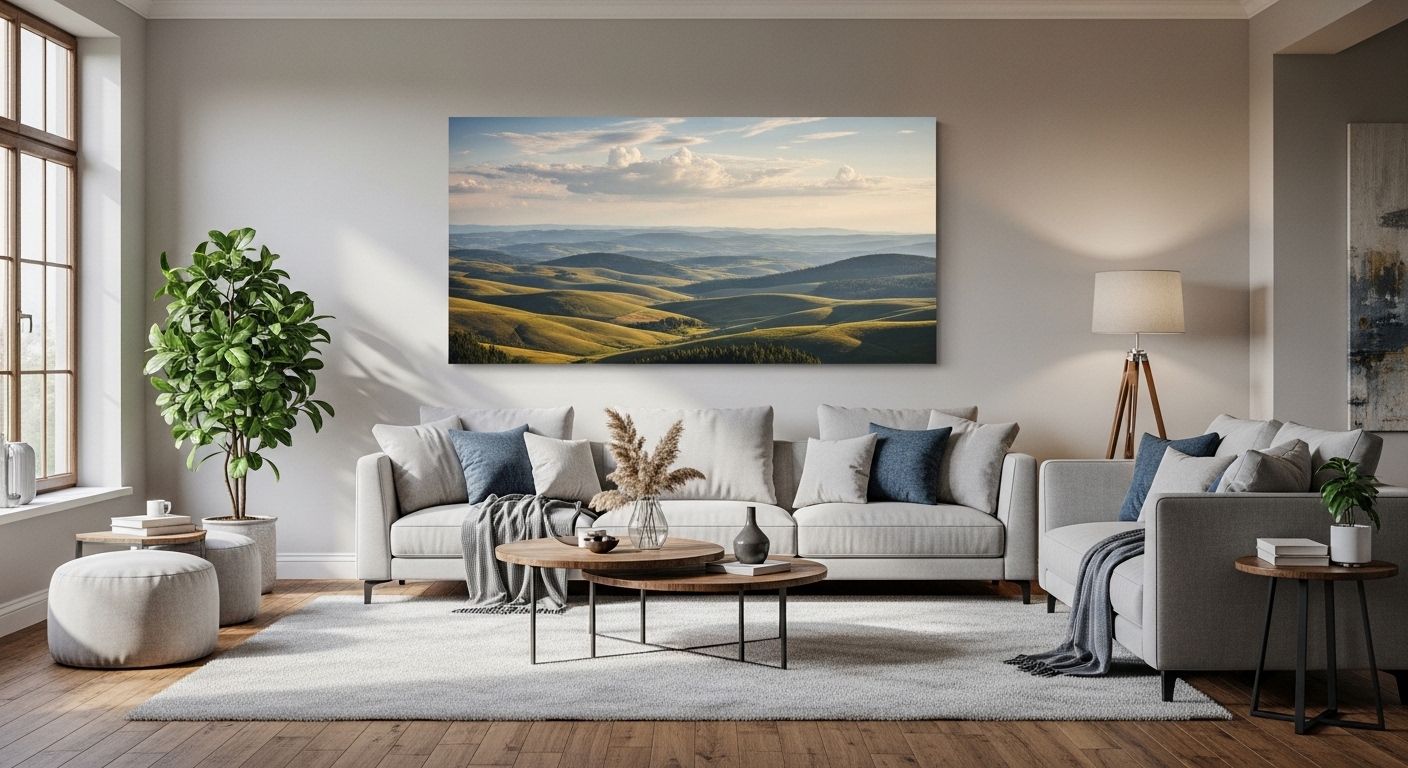
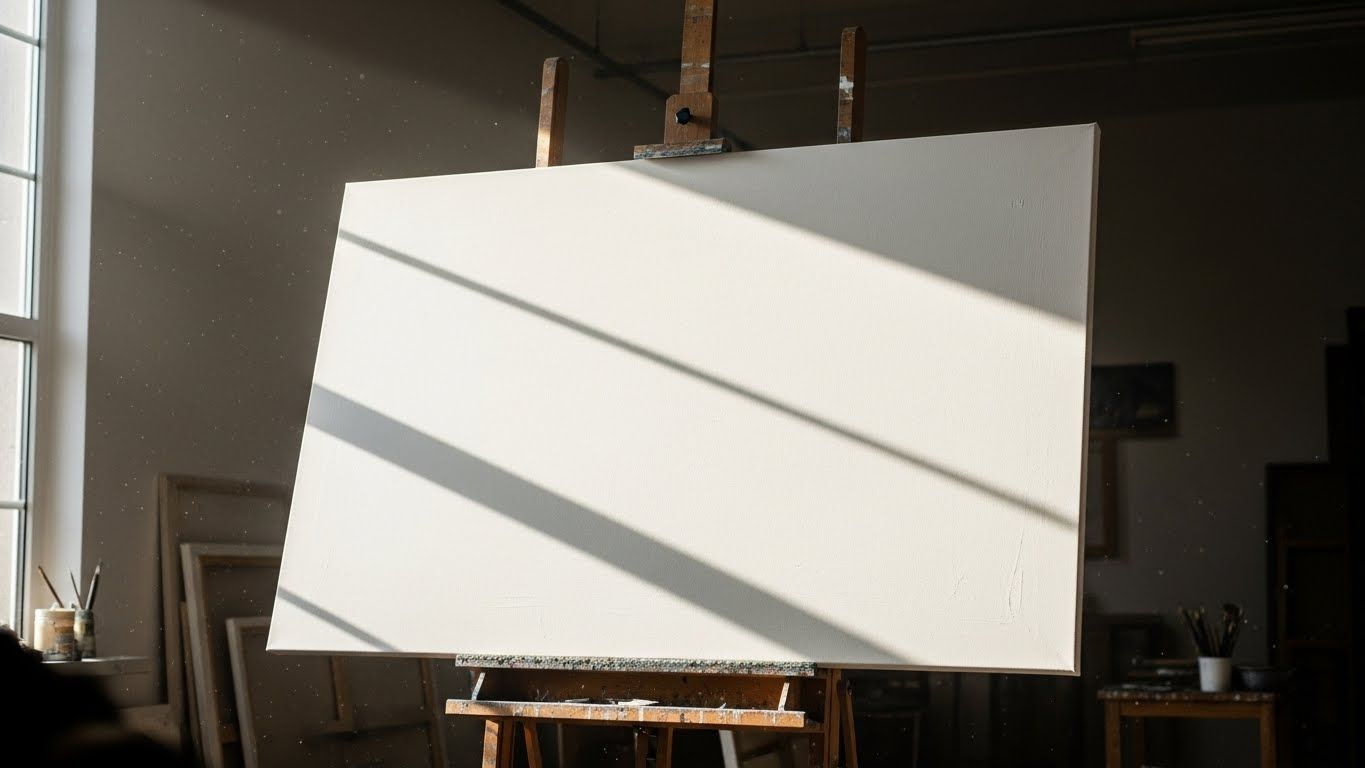
Technically, you can get a canvas as big as your doorframe—or your credit limit. But practically? Measure twice, order once. A 48x72 fits most living rooms without requiring a crane. Beyond that, consider disassembly: some suppliers ship oversized canvases in two pieces with hidden joiners. Also, mind your ceiling height—nothing kills vibes like a 7-foot canvas grazing your pendant light. And if you’re painting vertically, invest in an easel rated for 50+ lbs. Trust us, watching your magnum opus topple mid-brushstroke is a trauma no amount of wine fixes.
Priming Problems: Why “Ready-to-Paint” Isn’t Always Ready
That “triple-primed” label? Sometimes it’s more hope than reality. Cheap extra large blank canvas for painting often skimps on primer coats, leaving you with uneven absorbency—your cerulean blue might dry matte in one spot, glossy in another. Test it: dab water on an inconspicuous corner. If it soaks in instantly, add 1–2 coats of Golden Gesso. For oil painters, always check pH neutrality; acidic grounds yellow over time. And never, ever skip sanding between coats—smooth = professional, gritty = “did you spill sugar on this?”
Storage and Transport Hacks for Oversized Canvases
Got a 60-inch beast? Don’t just lean it against the wall like a sad poster. Store extra large blank canvas for painting upright in a climate-controlled space, covered with breathable fabric (not plastic—traps moisture). Moving it? Wrap edges in foam pipe insulation, then slide into a cardboard “sandwich” taped shut. No car big enough? UPS/FedEx ship flat up to 60x96, but declare it as “fragile art”—standard boxes warp corners. And pro move: label the back with title/date *before* you start. Future-you won’t remember which abstract was “Existential Dread Tuesday.”
Eco-Conscious Choices: Sustainable Canvases That Don’t Cost the Earth
Going green shouldn’t mean sacrificing quality. Brands like EcoArtWorks and Natural Pigments offer extra large blank canvas for painting made from organic cotton, recycled wood stretchers, and non-toxic primers. Yes, they cost 15–20% more—but think of it as paying the planet back for letting you make art. Plus, hemp canvases? Naturally mold-resistant and stronger than cotton. Win-win. Just avoid “bamboo canvas”—it’s usually just rayon printed to look textured. Greenwashing at its finest.
Avoiding Rookie Mistakes That Ruin Your Extra Large Blank Canvas Investment
We’ve seen it all: artists stretching their own extra large blank canvas for painting with hardware-store staples (rust city), skipping humidity checks (hello, warping), or using duct tape as a “temporary fix” (spoiler: it’s permanent). Biggest sin? Ignoring grain direction—always align the canvas weave parallel to the longest stretcher bar. And for the love of Van Gogh, don’t hang wet paintings near radiators. Save your sanity by bookmarking Maija Louekari for pro guides, browsing our Canvas category for material deep dives, or stealing tips from our breakdown on extra large canvas blank professional use. Your masterpiece deserves better than guesswork.
Frequently Asked Questions About Extra Large Blank Canvas for Painting
What is the largest canvas size you can buy?
The largest standard extra large blank canvas for painting available off-the-shelf is typically 60x96 inches from retailers like Blick or Jerry’s Artarama. Custom orders can reach up to 72x120 inches (6x10 feet) through specialty mills, though these require reinforced stretcher bars and professional handling to prevent sagging or damage during shipping.
Is it cheaper to build a canvas than to buy?
Building your own extra large blank canvas for painting can save 20–30% on materials—raw cotton duck costs ~$1.50/sq ft and stretcher bars $2–$4/ft—but requires tools, time, and skill. Pre-stretched, studio-grade canvases from brands like Fredrix or Masterpiece include proper priming, tensioning, and kiln-dried wood, making them more cost-effective for occasional painters who value reliability over DIY risk.
Can I order large canvas prints from Walmart?
While Walmart offers large-format photo canvas *prints*, they do not sell true extra large blank canvas for painting suitable for fine art. Their “canvases” are often polyester-based panels or glued boards lacking the archival quality, proper priming, and sturdy wood frames required for professional painting—making them unsuitable for serious artistic work.
How big can you get a canvas?
Commercially, you can get an extra large blank canvas for painting up to 72x120 inches (6x10 feet). However, canvases over 48 inches in width typically require double-thick stretcher bars (1.5”–2” depth) to maintain structural integrity. Beyond practicality, consider transport, storage, and wall space—most residential settings comfortably accommodate up to 48x72 inches without special installation.
References
- https://www.dickblick.com/products/blick-premium-cotton-stretched-canvases/
- https://www.jerrysartarama.com/stretched-canvases
- https://www.fredrixart.com/
- https://www.masterpieceartistcanvas.com/
- https://naturalpigments.com/
- https://ecoartworks.com/
- https://www.walmart.com/cp/canvas-prints/1228505
- https://www.cheapjoes.com/
- https://www.goldenpaints.com/technicaldata/gessoguide
- https://www.artistsnetwork.com/art-mediums/oil-painting/canvas-priming-guide/
- https://www.fedex.com/en-us/shipping/packaging.html
- https://www.ups.com/us/en/support/shipping-support/packaging-guidelines.page